Here’s What’s In Your Trash That Can Be Recycled
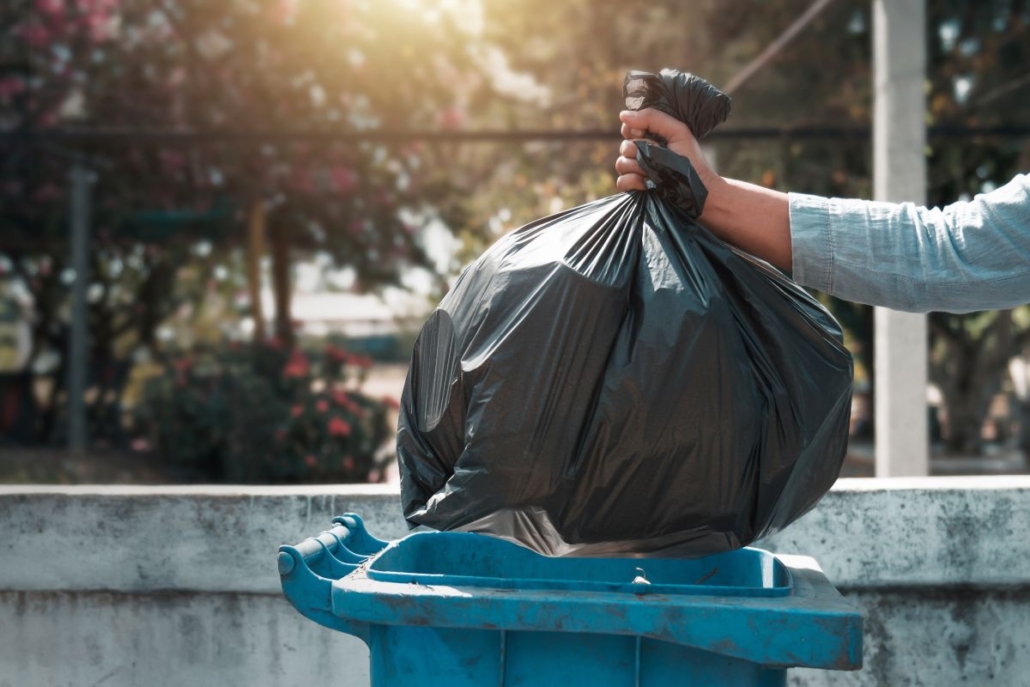
Recycling is an environmentally noble pursuit often buried under confusing jargon. Many of our neighbors come to us with questions like:
What CAN I recycle? What CAN’T I recycle?
Should I throw this in the trash if it’s dirty?
If I can recycle this, do I put it in the blue bin or does it need to go somewhere else?
At Momentum Recycling, we’re here to clear up your questions to make recycling easier—rather than leave you standing over the trash can getting frustrated!
Let’s first define a term: “mixed recycling”—also known as “single stream recycling” or “comingled recycling.” Mixed recycling is where you mix objects made of varying materials in the same location or bin to be recycled. Your curbside bin is for mixed recycling. In our categories below, look for our orange mixed recycling label for a quick way to differentiate what can go in your bin.
The reality is that many products are recyclable, yet only some of those recyclable materials can go in your mixed recycling bin. Many other products have their own designated drop-off locations and processes. Here are three rules to live by and then a more detailed breakdown of the materials you might be throwing away that are recyclable and where they need to go to avoid the landfill.
3 Recycling Rules to Get You Started
If you’re looking for the TLDR answer, here are the three things to know when trying to decide what to move out of your trash bin and into your mixed recycling bin:
- Throw in bottles, cans, paper, and cardboard.
- Keep food and liquids OUT of your bin.
- Don’t add loose plastic bags or any bagged recycling.
Those three rules will serve you well, but if you want a little more background on the ins and outs, we’ve got you covered!
Recycling: Mixed and Specialized
Paper and Cardboard
Paper or cardboard is perfect for mixed recycling. However, products that are laminated or made with two or more different materials—often called “mixed media”—are not suitable for efficient, curbside recycling. This includes shipping materials like bubble mailers and reinforced products like laminated cards. These, unfortunately, should not go in curbside recycling.
Metals
Soda cans, food cans, and coffee tins are perfect for mixed recycling. Just be sure any metal product is free of food waste by giving it a quick rinse before you throw it in the bin. You can even toss in aluminum foil (just ball it up first to keep it compact) as long as it’s not covered in food.
Plastic
Plastic is one of the go-to materials people think of when they’re considering recycling—and the short answer is that in general plastic bottles, jars, tubs, and jugs are all recyclable in your mixed bin. HOWEVER, it can get complicated quickly.
This is because there are many different types of plastics, and each requires different recycling processes. The recycling symbol “♻” on the item means it’s recyclable, but the numbers and letters indicate whether it can go in your mixed recycling bin or not. Here’s a brief primer on the different plastics you can readily recycle.
♻ 1 PET
Polyethylene Terephthalate is clear and lightweight plastic—great for single-use food and drink packaging (think your standard plastic water bottles or clamshell produce containers). These plastics are perfect for mixed recycling.
♻ 2 HDPE
High-Density Polyethylene makes up milk jugs, cleaning containers, shampoo bottles, and other household products. These plastics are perfect for mixed recycling.
♻ 4 LDPE
Low-Density Polyethylene makes up shopping bags, bubble wrap, and frozen food packaging. This is a special case, as the thin, flexible plastic gums up recycling processors when thrown in with mixed recycling. These materials are perfect for recycling, but NOT for mixed recycling. Grocery stores often have drop-off points near their front doors where you can dispose of these.
Other Plastics
Any plastics marked 3-7 are too chemically different to place with mixed recycling. For categories 3-5, it’s best to look into your local laws and private resources for drop-off points (like the grocery stores we called out above for your plastic bags). Plastics labeled with a 6 are typically styrofoam, which unfortunately can’t be recycled, and those labeled with a 7 are too much of a mystery for most facilities. These 6-7 plastics should just be thrown away as there’s not currently a better option.
Glass
Glass is perfect for recycling, but NOT for mixed recycling in Utah. To learn more, check out our resources on glass recycling. Long story short, it gets really messy trying to have it mixed in with everything else. Instead, there are dedicated pick-up programs in some areas and drop-off locations in others.
Electronics
Much of the plastic and metals in electronics are perfect for recycling, but NOT for mixed recycling—OR your trash!
Laptops, phones, tools, toys, and anything with a rechargeable lithium battery are considered hazardous materials. In fact, recycling businesses have seen insurance premiums go way up in recent years as more people throw away tablets, vapes, and other rechargeable devices because these batteries can easily start fires in the processing facilities.
Please take ANY AND ALL electronics to a dedicated vendor who will sort and recycle them safely. Your municipality is a good place to start in finding details on where you can safely dispose of electronics.
Yard/Food Waste
Yard and food waste are perfect for recycling, but again NOT for mixed recycling. Municipalities often provide a compost curbside service for yard waste like sod and weeds. At Momentum Recycling, we also offer a food waste program for businesses and residents in specific areas.
An Important Caveat: Is It Clean?
Food waste should never end up in mixed recycling because it degrades the quality of any recycled paper or cardboard as it’s processed. Even if the food residue is on plastic or metal, the waste will inevitably find its way to the paper and cardboard. We recommend giving recyclables a good rinse if they need it. This includes:
- Plastic milk jugs
- Food cans
- Liquid-proof cardboard boxes (like those used for dairy products)
- Other recyclable objects with food waste on them
Whether you know something is recyclable or not, if the object is caked in food waste or grease (like that pizza box!), it’s best to keep it in the trash can.
Recycling: For Our Community
With these clarifications, we hope it’s easier to know when to trash or recycle something. Whether you’re recycling everything you see or just the odd product here and there, every little effort helps our communities and our environment.
Recycling is ultimately a community affair, so it’s always important to double-check the policies of your local municipality. Local laws may differ from statewide policy, and different recycling collection services are available in different areas.
If you are a business with questions about local collection sites or specialty recycling in bulk, please reach out today to discuss available options like food waste recycling, glass recycling, and event recycling.
 The Park Cafe


 (801) 355-0334
 E-mail us!



Leave a Reply
Want to join the discussion?Feel free to contribute!