
Does recycling actually help the environment? (Spoiler: YES!)

Recycling can be a hot topic. Since it’s often politicized, there are a LOT of opinions and misinformation out there. We’re here to help you separate the facts from fiction, and so in this article, we’re tackling a major recycling myth and offering some new perspectives to consider.
Common Myth: It takes so much energy to recycle materials that it isn’t actually worthwhile. So much energy is required that recycling has a net negative effect on the environment.
Truth: It sometimes can take more energy to recycle items than to make the same items from virgin materials, but energy isn’t the only reason recycling is a good choice. This myth may sound plausible on the surface, but it oversimplifies all the different factors at play. The reality is that recycling spans global economics and resources, which makes the whole truth a bit more complicated.
A Deeper Look at the WHY Behind Recycling
Recycling touches economies and communities all around the world, and when we look at the bigger picture, it’s easy to see that it’s about more than just energy consumption. Understanding what else is at play can make it easier for us to make changes (both big and small) in how we handle our waste—which can have far-reaching impacts. Here are a few additional reasons recycling is the best choice:
1. Preserving Natural Resources
The Earth is an incredible place that provides us with an abundance of resources. However, many of them are finite, which makes recycling a critical process if we want to protect the planet for future generations.
Take glass, for example. Making glass requires the raw material soda ash. There is only one significant deposit of soda ash in all of North America (in Green River, WY), and three different companies are mining that sole deposit. When it’s gone, it’s gone. At that point, we’ll have to import soda ash for all new glass manufacturing—until those deposits are gone too.
Raw resources are required in just about every manufactured product we use—plastics, metals, rubber, wood, etc. So, even when it takes more energy to recycle, using a smaller percentage of virgin material with each new product preserves natural resources and extends the usability of all the Earth provides us.
2. Protecting the Environment
Recycling is also critical when we consider the Earth itself. Procuring raw resources and dumping our waste contribute to the destruction of the environment as well as air, water, and soil contamination.
For example, a key component in aluminum production for soda cans is bauxite mining. This mining process is one of the key drivers of rainforest deforestation and generates significant pollutants. Anything we can do to slow down this deforestation is good, even if we spend more energy doing it. Those trees, creatures, and the ecosystem lost in the destroyed rainforest won’t magically come back, though we can easily recapture aluminum by recycling cans to decrease the overall demand for new bauxite.
Another example is carbon dioxide production. The most recent data shows that in 2021 about two-thirds of aluminum and glass beverage containers were not recycled and needed to be replaced with new raw materials. That replacement process created tons and tons of carbon dioxide. By simply recycling aluminum, plastic, and glass bottles, we can eliminate annual carbon dioxide emissions roughly equivalent to those of approximately 3.3 million cars each year!
Cardboard is an example of the impact recycling can have on our water. Due to the process of turning wood into pulp and then into paper and cardboard, every ton of cardboard recycled saves about 7,000 tons of water! When we recycle cardboard, less water is used, fewer chemicals are released into the water supply, and up to 50% less sulfur dioxide (which creates acid rain) is released into the air.
Extracting raw resources and manufacturing new materials releases pollutants into our air, water, and soil. Recycling helps limit this and protects our Earth for generations to come.
3. Keeping Recyclable Items Out of Landfills
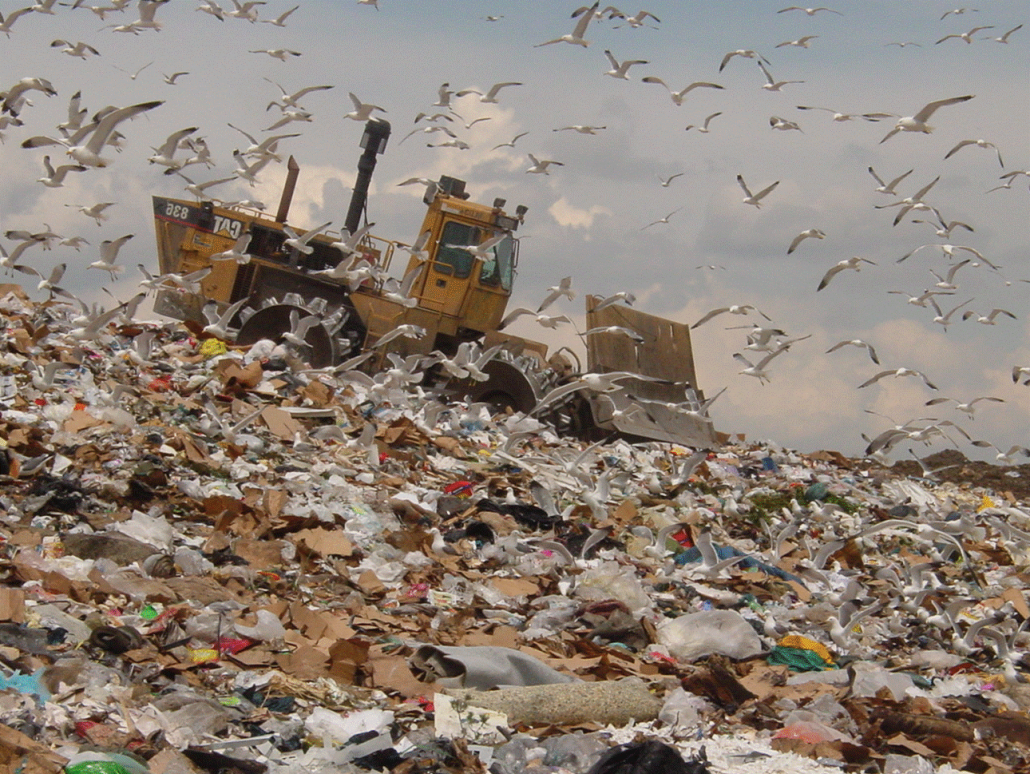
Some might wonder why putting things into the landfill is a bad thing. It’s both an environmental and an economic problem.
While landfill practices have improved over the years, the reality is that they always carry the risk of nasty stuff leaching out and causing problems for the humans and animals who live nearby. For example, plastic can take centuries to break down, contaminating the soil and seeping into the water table in the process. Cardboard can also contaminate the surrounding area because it creates methane gas as it decomposes. Putting something into a hole (especially something that can be recycled!) and crossing our fingers that nothing terrible will come of it is far from the most responsible choice.
Another landfill problem is the economics: landfills are expensive to build, maintain, and decommission when the time comes. Millions of dollars are spent each year on landfills, even once closed, because they need continuous supervision to monitor things like methane emissions and ensure the public isn’t harmed.
If we can slow down how much waste is going into our landfills by recycling as many items as possible, then we can extend the use of each landfill. This saves money over time and better protects the environment in the process.
You Can Make a Difference
The reality is that recycling often saves energy over manufacturing entirely new products, though it’s not always the most energy-efficient choice. However, there are many additional reasons to recycle. And the best part is that we can all enjoy the cumulative effects!
The more we educate ourselves on recycling—reasons behind why we recycle, the dos and don’ts of how to recycle, and the harm caused when we don’t—the more recycling becomes a priority in our homes and businesses.
Even changing small habits, compounded over time, can make a big difference in the long run. Here are a few to try:
- Take (and use!) reusable grocery bags when you go shopping.
- Put acceptable items into the recycling bins.
- Sort specific items from your garbage that can be taken to dropoff locations (like glass, plastic grocery bags, and hazardous materials). Then take them to the appropriate places. Don’t just send them to the landfill.
We can all make a difference in the environment, both locally and globally, by recycling!

 (801) 355-0334
 E-mail us!



This article effectively highlights the broader benefits of recycling beyond just energy savings. I appreciate how it clearly explains the environmental and economic advantages, making me more motivated to recycle properly.